
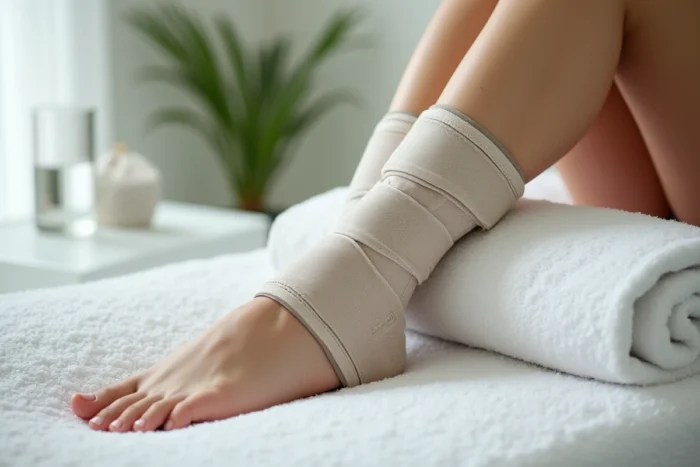
Pressotherapy refers to a sequential pneumatic compression technique applied to the limbs or abdomen. Inflatable air chambers exert progressive mechanical pressure from the distal area to the proximal area to activate venous return and lymphatic drainage. This method, used in physiotherapy as well as in sports recovery, directly affects blood and lymph circulation.
Sequential compression: the mechanism that distinguishes pressotherapy from a simple massage
Most articles present pressotherapy as an “air pressure massage.” This description is correct, but it obscures the real active principle: sequential compression. The air chambers do not inflate all at once. They activate in a precise order, from the foot or wrist towards the trunk, mimicking the physiological direction of venous return.
This upward pressure gradient pushes stagnant fluids (venous blood, lymph) towards the lymph nodes and the heart. A classic manual massage can reproduce this movement, but with less regularity and consistency in the applied pressure.
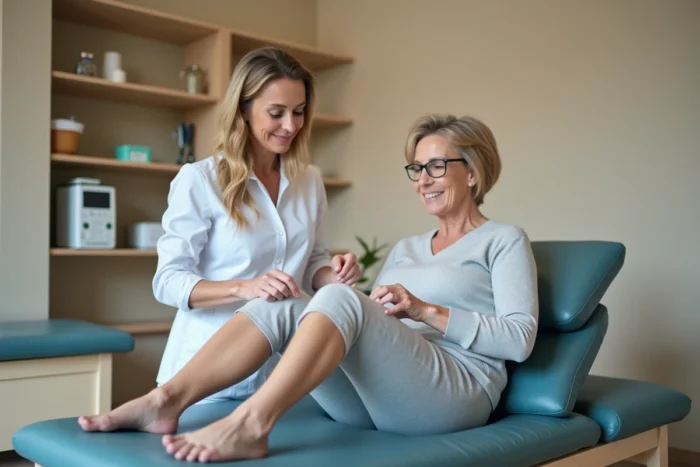
Pressotherapy devices generally offer several pressure levels and different inflation programs. Healthcare professionals, especially in physiotherapy, adjust these settings to the patient’s profile: heavy legs, post-operative water retention, or muscle recovery after intense effort. Specialized centers like striana.fr integrate this type of technique into combined care pathways.
Lymphatic drainage and water retention: what pressotherapy really changes
Lymphatic drainage is the first measurable effect of a session. Lymph, unlike blood, does not benefit from a heart pump for circulation. It relies on muscle contractions and breathing. When physical activity is lacking or a circulatory disorder exists, lymph stagnates and causes swelling, especially in the lower limbs.
Pressotherapy mechanically supplements this function by rhythmically compressing the tissues. The effect on water retention is noticeable from the first session: a feeling of lightness, visible reduction of swelling in the ankles or calves.
Immediate effect versus lasting effect
This is where the nuance becomes crucial. The post-session feeling of lightness is real but temporary if it remains isolated. Recent comparisons converge on one point: regularity outweighs intensity. Moderate and repeated sessions produce more stable results than long and heavily applied sessions spaced several weeks apart.
In other words, a single session improves comfort for a few hours to a few days. A regular protocol, supervised by a rehabilitation professional or physiotherapist, can help maintain better circulation over time.
Pressotherapy and sports recovery: a complement, not a miracle solution
In sports recovery, pressotherapy boots have become common. Athletes use them after training to accelerate the elimination of metabolic waste accumulated in the muscles (lactates, micro-cellular debris).
The real interest of the technique in this context lies in its ability to reduce the sensations of soreness and perceived muscle fatigue. The most recent specialized content positions pressotherapy not as a standalone tool but as a link in a recovery chain that can include:
- Post-effort hydration and nutrition, which remain the foundation of any effective recovery
- Active stretching or joint mobility work, which complements the mechanical effect of compression
- Quality sleep, without which no passive technique compensates for the recovery deficit
An athlete using pressotherapy without correcting a sleep deficit or insufficient hydration will only achieve partial benefits. The technique amplifies good practices; it does not replace them.
Contraindications and precautions before use
Recent content increasingly emphasizes the formal contraindications of pressotherapy, a topic often overlooked in promotional articles. Mechanical compression is discouraged or prohibited in several situations:
- Deep vein thrombosis, due to the risk of dislodging a blood clot
- Certain heart conditions, where increased venous return can overload the heart
- Active skin infection in the treated area, which may worsen under pressure
- Severe untreated venous insufficiency, where compression without medical supervision can be counterproductive
These limits make supervision by a healthcare professional (physiotherapist, angiologist) particularly relevant, especially for first-time use. Home devices offer daily comfort of use, but they do not replace the need for prior medical advice in case of known pathology.
Home pressotherapy: accessible regularity, necessary supervision
The availability of pressotherapy devices for home use has notably increased. Public recovery boots allow for daily sessions without the need to travel, which promotes protocol regularity.
This accessibility has a downside: the lack of professional guidance for choosing settings (pressure level, duration, frequency). A poorly configured device, with too high pressure or excessive duration, can cause discomfort or worsen certain circulatory disorders.
The ideal framework combines a few initial sessions supervised by a physiotherapist to define the appropriate parameters, followed by autonomous home use while respecting the established protocol. This mixed approach takes advantage of home comfort while limiting risks associated with self-prescription.
Pressotherapy produces concrete and reproducible effects on lymphatic circulation, muscle recovery, and body shape. These results remain contingent on regular use, appropriate settings, and, in most cases, an association with other health habits. The technique does not transform anything on its own, but it effectively integrates into a coherent set of practices.